Papa Legba The Mysterious Guardian of the Crossroads pt 2
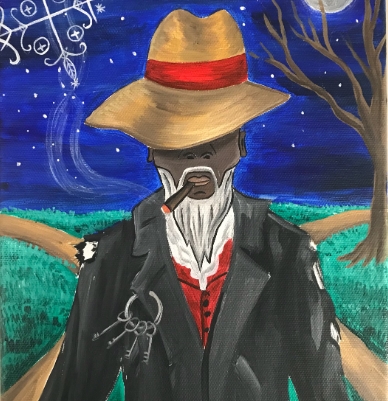
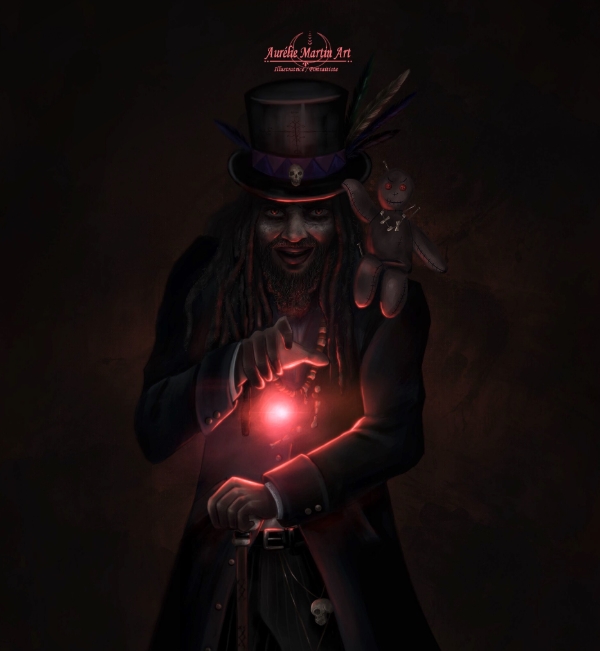
Papa Legba, symbolized by the central pole in temples, is the foundation of both the spirit world and the Mysteries. His staff or cane represents life’s unseen origins. He is the axis of every ritual symbol, from simple to complex, through which all Misterios manifest. A trickster yet humble, Legba embodies humility, enabling communication and understanding among people. He blesses the humble and strikes the corrupt, often revealing his kinder side in modest gatherings.
As the messenger of the Loa, Orisha, and other spirits, knowing Legba’s specific path (Camino or Vuelta) is crucial. Ceremonies like Guerillero in Ocha and Punto de los Encrucijadas in Sanse are vital, with only trained initiates deciphering his paths. Legba is depicted as a thin, dark-skinned old man, often accompanied by dogs, akin to Babalu Aye in Santería. In Sanse, his healing aspect merges with Saint Roque as Papa Sobo, while Saint Lazarus represents Legba Carifou, who brings illness at life’s crossroads.
Legba is both feared and loved, venerated for his kindness and ability to open pathways. He is associated with hope and traditionally honored on Mondays. His colors vary: red and white in Rada, red and black in Petro, and brown in Dominican 21 Division and Puerto Rican Sanse. His symbols include skeleton keys, crosses, and canes, and he is synced with saints like San Antonio de Padua and San Lazaro.
Legba enjoys tobacco, straw hats, and offerings placed on the ground or hung on Ceiba trees. His wife, Adjessi, represents his feminine aspect, known in some traditions as Pomba Gira. In his darker Petro form, he is Karifu or Eshu, linked to the Angel of the Morning Star and synchronized with San Cayetano.
Legba is saluted with rum, water, and tobacco smoke, communicating through divination tools like coconuts, shells, or Tarot cards (the Fool). His attention is summoned by knocking on altars, ringing bells, or shaking maracas. Offerings include water, liquor, coffee, cornmeal, popcorn, yams, and meats, with preferences varying by his path. Younger aspects favor candies and coins, while Petro aspects prefer spicy foods served on terra cotta or gourds.
Legba’s many paths—vagabond, trickster, sage—reflect raw human emotions, fears, and desires, making him a central figure in Afro-Caribbean and Afro-South American traditions.